🎧 Lossless audio
What lossless audio means — WAV, FLAC, and what MP3 drops
The phrase “lossless audio” is everywhere, but it rarely gets explained — what exactly was not lost, and whether the difference reaches your ears at all. This article starts with the meaning, moves to how MP3 differs, then to what you need in order to hear it, and ends with what changes when that sound is used for English listening.
📖What lossless means — what was not lost
Lossless means nothing from the original recording was thrown away. WAV holds what was recorded exactly as it was recorded; FLAC compresses that, and unpacking it returns something not one bit different from the original. MP3 and AAC are lossy compression: to make the file small, they discard part of the sound permanently. Once discarded, no player brings it back.
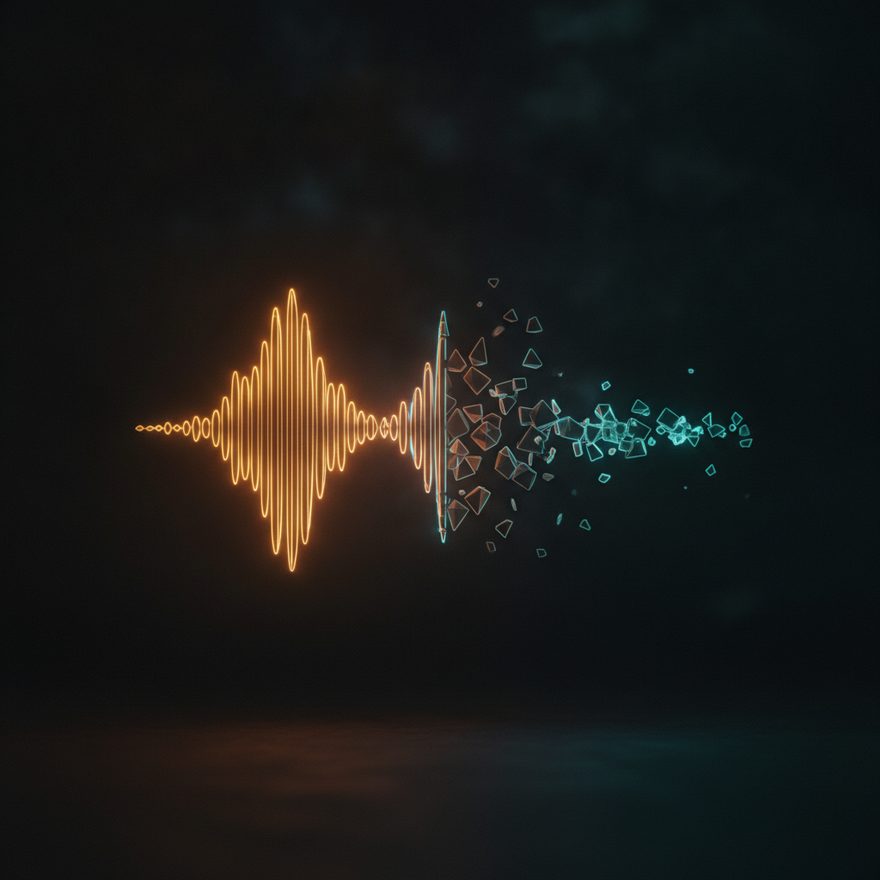
✂️How MP3 differs — it was built on “nobody will notice”
MP3 does not cut at random. It was designed to discard first the things a listener is least likely to notice — a quiet sound sitting beside a loud one, the very top of the frequency range. For enjoying music that is a reasonable judgement. The trouble is that the judgement assumed music listening — and the consonants of speech, being short and faint, fall under exactly the same rule.

📺Streaming audio is lossy too — AAC is only a newer name
The obvious thought at this point is “then I will just listen on YouTube.” Unfortunately not. AAC, the codec YouTube uses, is lossy as well. It arrived after MP3 and does more with the same file size, but it still throws things away. That is why we keep our English course audio outside YouTube in its original form — the moment a lossless file is uploaded there, it is re-encoded to AAC.
🗣️Speech, though, is a different case
Think of English consonants — s, t, k, f, th. They share something: they are short, they are faint, and they are high. That is precisely the set of conditions compression reads as “nobody will notice” and shaves off. Vowels are loud and long, so they survive. But what carries meaning in English is not the vowels — it is the consonants. They are what separates sit from seat, bat from bad.
⏩Raise the speed and it becomes obvious
At 2× a consonant goes past in half the time. A sound that was already short becomes shorter — and it has already been shaved once by compression. Halved after being shaved, it smears. A lossless consonant is halved with nothing taken out of it first, so something is left. That is why the three formats sound nearly identical at 1× and pull apart at 3× and 4×.

🎧 Hear it for yourself — right below
The same recording is here in MP3, AAC and WAV. Push the speed from 1× to 4× and swap formats as it plays — switching mid-playback does not interrupt it. In English the consonants (s, t, k) collapse first; in Korean it is the final consonants and the tense sounds.
같은 음성을 세 형식으로 — 배속을 올릴수록 갈립니다
지금 영어 · MP3 · 0.06MB · 2배속 — 1배속에서는 잘 안 들립니다. 3~4배속에서 자음(s·t·k)이 남는지 들어 보세요.
👂How to listen — swapping the file is not enough
A lossless file is wasted if anything later in the playback chain compresses it again. The usual culprit is Bluetooth. Sending audio wirelessly means encoding it again, so a lossless file played through Bluetooth earphones still reaches you as lossy sound. Connect by wire, and put a small USB-C DAC between the phone and your ears, and the last conversion is covered too.
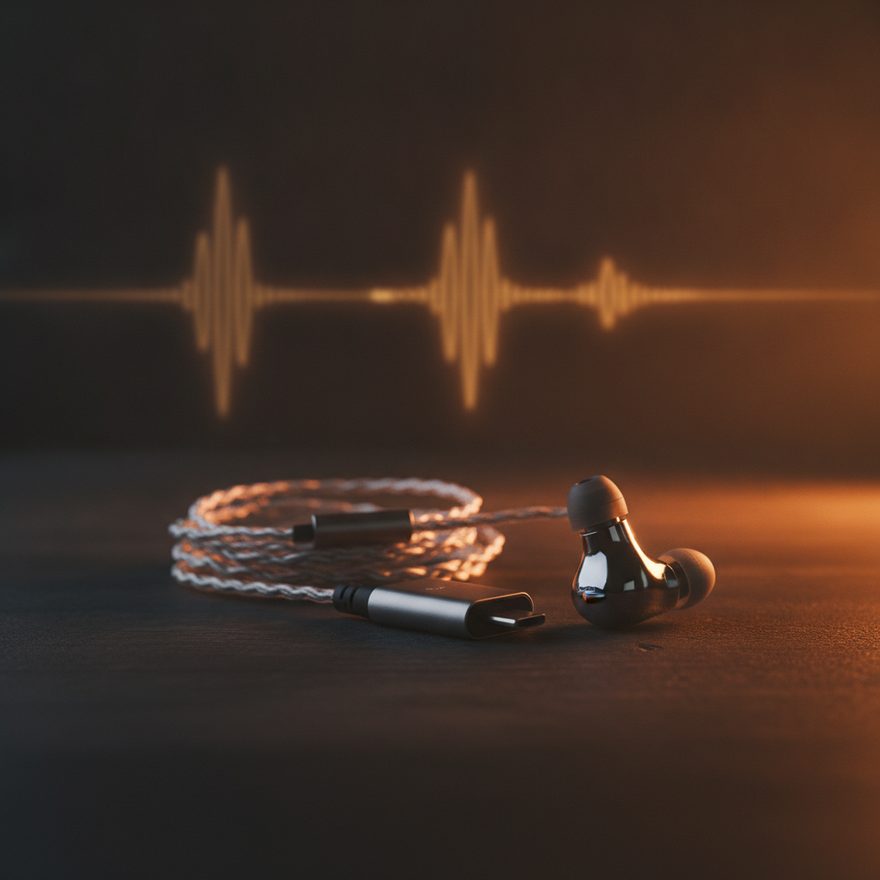

🎧Three earphones that plug straight into a phone
Only picks that need no dongle. The prices differ tenfold, yet all three keep the chain to a single step — phone to earphone. iPhones split here: 15 and later are USB-C, earlier models are Lightning — take the matching one below. Prices are Korean retail (Coupang), checked 2026-09-07.
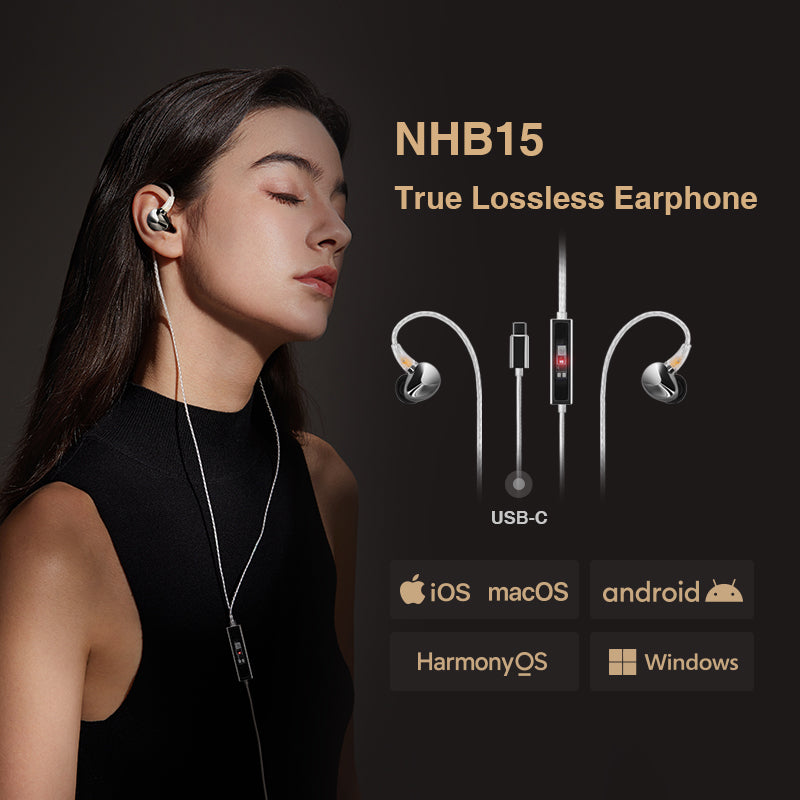 🏆 Precision on the moveQuestyle NHB15🔌 USB-C direct ✅ — plugs straight into the phone (DAC and amp built in)₩440,000 on Coupang (import listing · ₩5,500 return shipping · checked 2026-09-07) · $349 officialA small amplifier sits in the cable itself. It drives and stops the diaphragm firmly, so even at 4× the consonants stay separated rather than smearing together.Coupang ₩440,000 ↗Official store $349 ↗Video review ↗
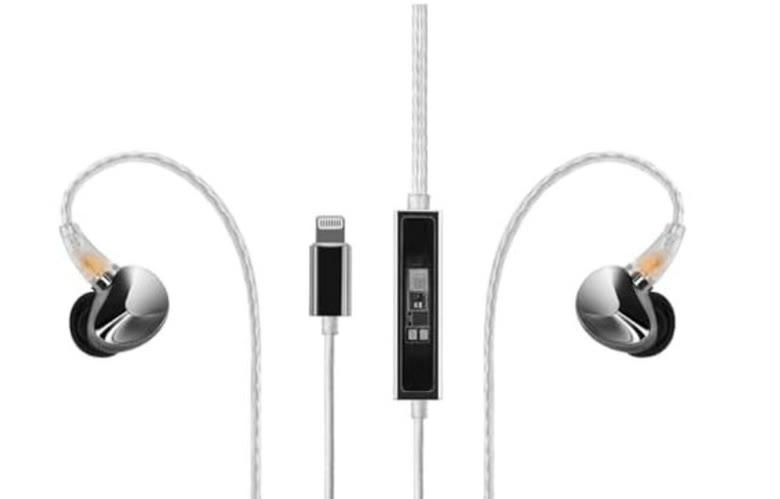 🍎 iPhone (Lightning)Questyle NHB12🍎 Lightning direct ✅ — plugs straight into an iPhone (Apple MFi certified)₩224,300 on Coupang (list ₩280,300, −19%) · $99 on Amazon (checked 2026-09-07)The iPhone version of the NHB15 above. Being Apple MFi certified, it takes Apple Music lossless at 24-bit/192 kHz straight through — nothing in the chain this article describes re-compresses it. Lightning means iPhone 14 and earlier (15 and later are USB-C, so the NHB15 is the one).Buy on Coupang ↗Amazon $99 (reference) ↗
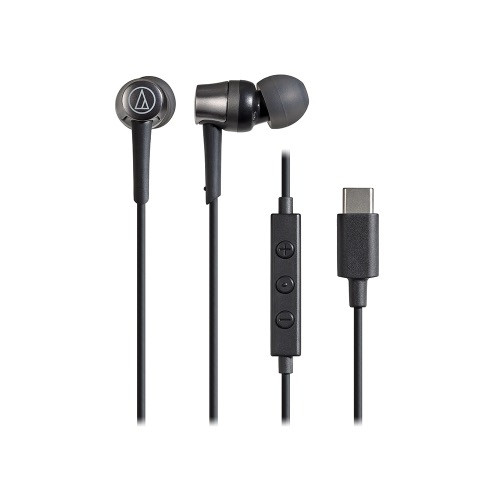 🥉 Starting lightAudio-Technica ATH-CKD3C🔌 USB-C direct ✅ — plugs straight into the phone (DAC built in)₩39,000 list · 9.8 mm driverBudget-priced, yet it puts a weighty brass part inside to damp vibration, so sibilance cracks and splits less. The easiest way to try lossless speed listening without a large outlay.Official page ↗Buy on Coupang ↗Video comparison ↗
🔊Speakers can do it too — over USB-C, not Bluetooth
The JBL Charge 6 is a Bluetooth speaker, yet connected by USB-C it plays up to 24-bit/96 kHz lossless. The same speaker is lossy or lossless depending on nothing but how it is connected — which is the chain this article is about, in a single object.
📺 Does the JBL Charge 6 support lossless audio?
What is supported, and on what conditions
📺 Hands-on — playing lossless on a Charge 6
The actual sequence for switching USB audio on
🔊JBL Charge 6
🔗More on lossless
The rest of what we have written on this subject. Start wherever your question is.
- What MP3 throws away/en/articles/mp3-problems
- A 30-second check that you are hearing lossless/en/articles/lossless-30sec-check
- We filter water and air — where is the sound purifier?/en/articles/sound-purifier
- The moment a WAV becomes an MP3/en/articles/why-wav-becomes-mp3
- Analog versus digital/en/articles/analog-vs-digital
- What a DAC is — and what a dongle DAC does/en/articles/what-is-dac
- The Bluetooth trap/en/articles/bluetooth-trap
- Wired earphones for speed listening/en/articles/wired-earphones-for-speed-listening
- Lossless on a speaker — JBL Charge 6/en/articles/jbl-charge6-lossless
- What WAV speed listening is/en/articles/wav-speed-listening
🌱 Lossless English — the original WAV, untouched
In food, organic means something was left out; in sound, lossless means less was thrown away. We build our English learning audio as lossless WAV, uncompressed from end to end. Sound removed on the assumption that nobody would notice behaves differently once you listen to speech at speed — which is the entire reason for the rule.
🎧What that lossless audio does for English listening
The place lossless matters most is playback speed. At 2× a consonant passes in half the time, and a sound compression has already shaved smears further in that shorter moment. That is why we keep our English course audio lossless — and you can listen to it without signing up for anything.
🆓Listen to the lossless audio
Three courses, 180 lessons, open with no sign-up.
- Free listening — 180 lessons/listen
- Everyday conversation, 60 lessons/listen/kbeauty
- Travel English, 60 lessons/listen/travel
- Phrasal verbs, 60 lessons/listen/fairytale
🎧 Lossless audio · 10 more on this
- 📚 [B2B] A lossless-audio transition for publishers and edtech
- ✅ Are you actually listening to lossless? A 30-second check
- 💧 We filter our water and our air — where is the sound purifier?
- 🤱 The prenatal app MamaTalk — what it plays, and in what sound
- 🔊 Lossless on a JBL Charge 6 — use USB-C, not Bluetooth
- 🎚️ LP, CD, MP3, FLAC — telling analog and digital apart
- 🔌 A digital file is not sound yet
- 🎚️ Every record is made in WAV — so why do we listen in MP3?
- 🎧 Why did Steve Jobs listen to vinyl? — the blind spot of MP3
- ⏩ WAV speed listening — how 30 days opens your English ear